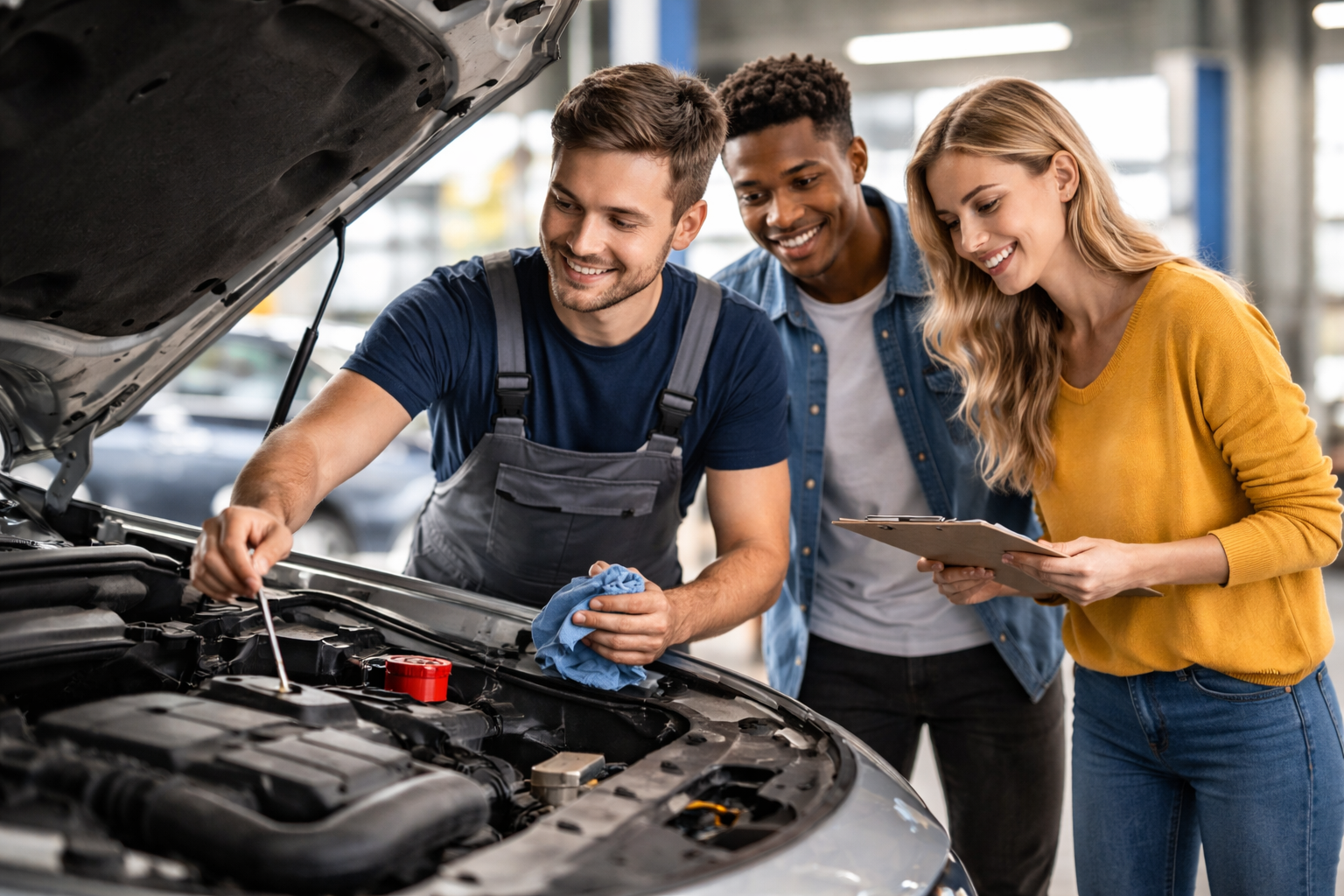
10 Essential Car Maintenance Tips to Improve Performance and Extend Vehicle Life
Owning a car is a major investment, and proper maintenance is the key to keeping it running smoothly, safely, and efficiently for many years. Regular car care not only improves performance but also prevents costly repairs, boosts fuel efficiency, and increases resale value. Whether you drive a new or used vehicle, following essential maintenance tips can significantly extend your car’s lifespan.
In this article, we explore 10 essential car maintenance tips that help improve performance and extend vehicle life while keeping your driving experience smooth and stress-free.
1. Change Engine Oil and Oil Filter Regularly
Engine oil lubricates moving parts, reduces friction, and prevents overheating. Over time, oil becomes dirty and less effective, which can lead to engine damage.
Why It Matters:
- Keeps the engine clean and well-lubricated
- Prevents wear and tear
- Improves fuel efficiency
Recommended Tip:
Change engine oil every 5,000–10,000 km or according to your car manufacturer’s recommendation.
2. Check and Maintain Tire Pressure
Proper tire pressure improves handling, safety, and fuel economy. Underinflated or overinflated tires wear unevenly and reduce driving performance.
Benefits:
- Better fuel efficiency
- Improved road grip and braking
- Longer tire lifespan
Pro Tip:
Check tire pressure once a month and before long trips. Rotate tires every 8,000–10,000 km for even wear.
3. Replace Air Filters for Better Engine Performance
Air filters prevent dust and debris from entering the engine. A clogged filter reduces airflow, lowering engine efficiency and power.
Why Replace It?
- Improves engine breathing
- Enhances fuel economy
- Reduces emissions
Maintenance Tip:
Replace the air filter every 15,000–30,000 km or sooner in dusty environments.
4. Monitor and Replace Brake Pads and Brake Fluid
Brakes are one of the most critical safety systems in your vehicle. Worn brake pads or contaminated brake fluid can reduce stopping power and increase accident risk.
Key Signs to Watch:
- Squeaking or grinding noises
- Vibration when braking
- Longer stopping distances
Maintenance Advice:
Inspect brakes every 10,000–15,000 km and replace brake fluid every 2 years.
5. Keep the Battery in Good Condition
A weak or dead battery can leave you stranded unexpectedly. Extreme heat or cold can reduce battery lifespan.
How to Maintain:
- Clean battery terminals
- Check voltage regularly
- Replace battery every 3–5 years
Bonus Tip:
Turn off lights and electronics when the engine is off to preserve battery life.
6. Maintain Coolant Levels to Prevent Overheating
Coolant regulates engine temperature and prevents overheating. Low coolant can lead to engine damage and breakdowns.
Why It’s Important:
- Keeps engine temperature stable
- Prevents rust and corrosion
- Protects engine components
Tip:
Check coolant levels monthly and flush coolant every 40,000–80,000 km depending on manufacturer guidelines.
7. Inspect Belts and Hoses Regularly
Belts and hoses control essential engine functions such as cooling, charging, and air conditioning. Cracked or worn belts can cause sudden engine failure.
What to Look For:
- Cracks or fraying
- Leaks
- Loose fittings
Maintenance Suggestion:
Inspect belts and hoses every 20,000 km and replace them if worn.
8. Replace Spark Plugs for Smooth Engine Operation
Spark plugs ignite the air-fuel mixture in the engine. Worn spark plugs can cause misfires, rough idling, and reduced fuel efficiency.
Benefits of New Spark Plugs:
- Improved acceleration
- Better fuel economy
- Smoother engine performance
Tip:
Replace spark plugs every 30,000–100,000 km, depending on plug type.
9. Wash and Wax Your Car Regularly
Cleaning your car is not just about appearance—it protects paint and prevents rust caused by dirt, salt, and pollutants.
Advantages:
- Prevents corrosion
- Preserves paint finish
- Improves resale value
Best Practice:
Wash your car twice a month and wax every 3–6 months for long-term protection.
10. Follow Scheduled Professional Servicing
Even with personal maintenance, professional inspections are essential for detecting hidden issues before they become serious problems.
What Professionals Check:
- Engine diagnostics
- Transmission health
- Suspension and steering systems
- Exhaust system
Pro Tip:
Follow your car’s service schedule and keep maintenance records for future resale value.
Bonus Tips for Long-Term Vehicle Care
Drive Smoothly
Avoid aggressive acceleration and hard braking to reduce wear on engine and brakes.
Keep Fuel System Clean
Use high-quality fuel and consider fuel system cleaning for better mileage.
Store Your Car Properly
If unused for long periods, keep it covered and start it occasionally to maintain battery and engine health.
Benefits of Regular Car Maintenance
Regular car maintenance offers multiple advantages, including:
- Longer vehicle lifespan
- Improved fuel efficiency
- Better resale value
- Enhanced driving safety
- Reduced repair costs
- Improved engine performance
By following these essential maintenance tips, you ensure your car remains reliable, safe, and cost-efficient for years to come.
Conclusion
Taking care of your car doesn’t have to be complicated or expensive. Simple routine maintenance—like changing oil, checking tires, maintaining brakes, and replacing filters—can dramatically improve performance and extend vehicle life.
Regular attention prevents breakdowns, saves money, and ensures a smoother, safer driving experience. Whether you’re a daily commuter or occasional driver, these 10 essential car maintenance tips will help keep your vehicle running at its best.
Invest in proper car care today, and enjoy reliable performance for the long road ahead.
Leave a Reply