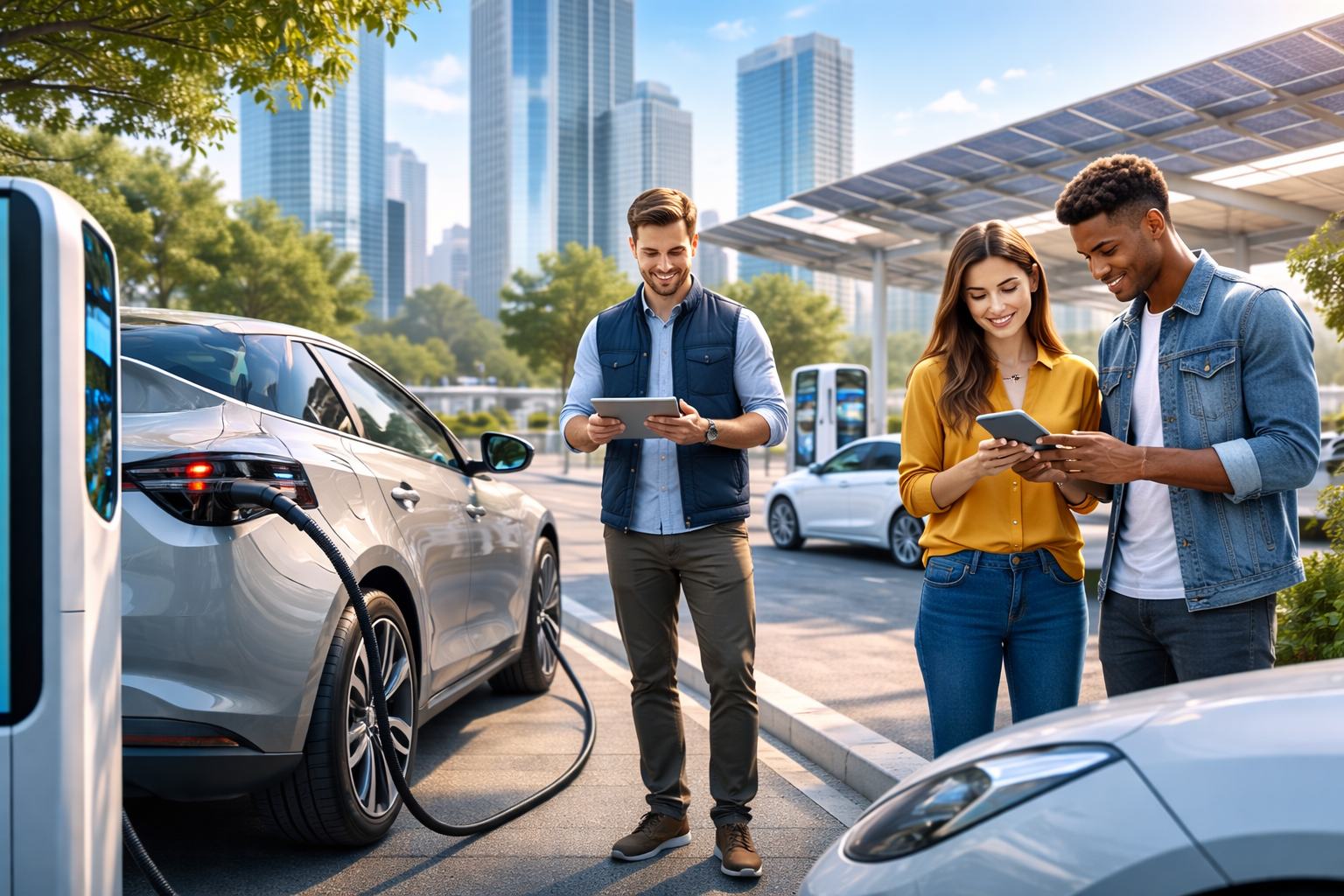
The Future of the Automotive Industry: Electric Cars, Smart Tech, and Innovation in 2026
The automotive industry is undergoing one of the most transformative periods in its history. In 2026, cars are no longer just machines for transportation — they are becoming electric, intelligent, connected, and increasingly autonomous. Rapid technological advancements, environmental concerns, and evolving consumer expectations are reshaping how vehicles are designed, manufactured, and used.
From electric vehicles (EVs) and self-driving technology to smart connectivity and sustainable manufacturing, the future of the automotive industry is focused on innovation, efficiency, and eco-friendly solutions. This article explores how electric cars, smart automotive technology, and cutting-edge innovations are shaping the future of the automotive world in 2026 and beyond.
The Rise of Electric Vehicles (EVs)
Electric vehicles have become one of the most significant trends in the automotive industry. Governments worldwide are pushing for cleaner transportation to reduce carbon emissions and fight climate change. As a result, EV adoption continues to grow rapidly.
Why Electric Cars Are Gaining Popularity
Electric cars offer several advantages over traditional gasoline-powered vehicles, including:
- Zero tailpipe emissions
- Lower fuel and maintenance costs
- Quieter and smoother driving
- Improved energy efficiency
Battery technology has advanced significantly, providing longer driving ranges and faster charging times. Many EV models in 2026 now offer ranges exceeding 400–600 kilometers per charge, making electric cars practical for daily commuting and long-distance travel.
Expansion of Charging Infrastructure
The expansion of fast-charging networks has made EV ownership more convenient. Charging stations are now more widely available in cities, highways, and residential areas, reducing range anxiety and increasing consumer confidence.
Smart Technology Transforming Modern Vehicles
Smart technology is redefining how drivers interact with their cars. Vehicles in 2026 are equipped with advanced digital systems designed to improve safety, comfort, and efficiency.
Artificial Intelligence in Cars
AI-powered systems analyze driving behavior, optimize performance, and enhance safety. Features such as adaptive cruise control, lane-keeping assistance, automatic emergency braking, and predictive maintenance are now standard in many vehicles.
AI also powers voice assistants and infotainment systems, allowing drivers to control navigation, music, and vehicle settings using voice commands.
Internet of Things (IoT) and Connected Cars
Connected cars use internet connectivity to communicate with other vehicles, traffic systems, and cloud-based platforms. This technology enables real-time traffic updates, remote diagnostics, vehicle tracking, and software updates.
Drivers can monitor their cars through mobile apps, lock or unlock doors remotely, and receive maintenance alerts — making vehicle ownership more convenient than ever.
Autonomous Driving and Self-Driving Cars
Self-driving technology continues to evolve in 2026. While fully autonomous vehicles are still under development, many cars now offer semi-autonomous features that assist drivers on highways and in urban traffic.
Levels of Vehicle Autonomy
Modern vehicles include features such as:
- Automated lane changing
- Hands-free highway driving
- Smart parking assistance
- Traffic jam automation
These technologies aim to reduce driver fatigue, minimize human error, and improve road safety.
Safety Benefits of Autonomous Systems
Autonomous driving systems rely on sensors, cameras, radar, and AI to detect obstacles and make real-time decisions. These innovations have the potential to significantly reduce traffic accidents caused by human mistakes, improving overall road safety.
Sustainability and Eco-Friendly Manufacturing
Sustainability is a major focus in the automotive industry in 2026. Manufacturers are adopting greener production methods and using environmentally friendly materials to reduce their carbon footprint.
Sustainable Materials in Car Production
Automakers now use recycled plastics, plant-based materials, lightweight aluminum, and eco-friendly fabrics in vehicle interiors and exteriors. These materials reduce waste and improve energy efficiency.
Carbon-Neutral Manufacturing
Many automotive companies are committing to carbon-neutral production by using renewable energy sources such as solar and wind power in factories. This shift supports global climate goals and appeals to environmentally conscious consumers.
Advanced Safety Features and Driver Assistance Systems
Safety remains a top priority in modern vehicle design. Cars in 2026 include advanced driver assistance systems (ADAS) that help prevent accidents and protect passengers.
Key Safety Innovations
- Blind-spot monitoring
- Collision warning systems
- Automatic braking
- Driver attention monitoring
- Night vision cameras
These technologies use sensors and AI to detect hazards and alert drivers, significantly improving road safety and reducing accident risks.
The Growth of Shared Mobility and Ride-Hailing
The future of mobility extends beyond car ownership. Ride-sharing, car-sharing, and subscription-based vehicle services are becoming more popular, especially in urban areas.
Benefits of Shared Mobility
- Reduced traffic congestion
- Lower environmental impact
- Cost-effective transportation options
- Flexible vehicle access
Autonomous ride-hailing services are also being tested, which could revolutionize transportation by offering driverless taxi services in major cities.
Smart Manufacturing and Industry 4.0
The automotive industry in 2026 relies heavily on smart manufacturing technologies to improve efficiency and reduce production costs.
Automation and Robotics
Robotic systems handle assembly, painting, welding, and quality inspection, ensuring precision and consistency. Automation also speeds up production while maintaining high-quality standards.
3D Printing and Customization
3D printing is being used to create vehicle components, prototypes, and spare parts more efficiently. This technology allows manufacturers to offer customized car designs and reduce waste.
Digital Showrooms and Online Car Buying
Technology has changed the way consumers shop for vehicles. Digital showrooms and online car-buying platforms are becoming mainstream in 2026.
Virtual Reality Car Showrooms
Customers can explore vehicle interiors, test features, and compare models using VR and AR technology — all without visiting a physical dealership.
Online Financing and Home Delivery
Buyers can now finance, customize, and purchase cars online, with vehicles delivered directly to their homes. This convenient process improves customer experience and expands market reach.
The Role of Hydrogen and Alternative Fuels
While electric vehicles dominate the market, hydrogen fuel cell vehicles and alternative fuels are also gaining attention.
Hydrogen Fuel Cell Technology
Hydrogen-powered cars produce zero emissions and offer fast refueling times. Though infrastructure is still limited, research and investment in hydrogen technology continue to grow.
Biofuels and Synthetic Fuels
Alternative fuels such as biofuels and synthetic fuels provide options for reducing emissions from traditional combustion engines, especially in regions transitioning to cleaner energy.
The Impact of Innovation on Consumers
Innovation in the automotive industry benefits consumers in many ways. Vehicles in 2026 are safer, more efficient, more comfortable, and more environmentally friendly.
Benefits for Drivers
- Lower fuel and maintenance costs
- Improved safety and reliability
- Enhanced driving comfort
- Access to smart entertainment and navigation
- Reduced environmental impact
Consumers also enjoy more options, from electric cars and luxury vehicles to compact city cars and hybrid models.
Challenges Facing the Automotive Industry
Despite rapid progress, the automotive industry faces several challenges in 2026.
Battery Supply and Recycling
EV battery production relies on critical minerals such as lithium and cobalt. Ensuring sustainable mining and battery recycling remains a major concern.
Cybersecurity Risks
Connected cars require strong cybersecurity measures to protect against hacking and data breaches.
Infrastructure Development
Expanding charging networks and supporting autonomous vehicle infrastructure require ongoing investment.
Regulatory and Ethical Concerns
Governments must create policies to regulate autonomous driving, emissions standards, and data privacy while encouraging innovation.
What the Future Holds Beyond 2026
The automotive industry will continue to evolve as technology advances. Future trends may include:
- Fully autonomous vehicles in mainstream use
- AI-powered personalized driving experiences
- Expanded smart city transportation networks
- Battery innovations with ultra-fast charging
- Greater integration of renewable energy
Vehicles will increasingly become part of an interconnected digital ecosystem, transforming transportation into a safer, smarter, and more sustainable experience.
Conclusion
The future of the automotive industry in 2026 is defined by electric vehicles, smart technology, and innovation. From cleaner energy solutions and self-driving capabilities to connected cars and sustainable manufacturing, the automotive world is rapidly evolving.
Electric cars are reducing emissions, smart technology is enhancing safety and convenience, and innovation is reshaping how vehicles are built and used. While challenges remain, the industry’s commitment to sustainability, efficiency, and technological advancement promises an exciting and transformative future.
As automotive innovation continues, consumers can expect vehicles that are not only faster and smarter but also greener, safer, and better aligned with the needs of a modern world.
Leave a Reply